How to Choose Your First E-Trike Without Getting Overwhelmed
There are dozens of models out there. Here's the simple framework I used to narrow it down — and the one feature I'd never compromise on.
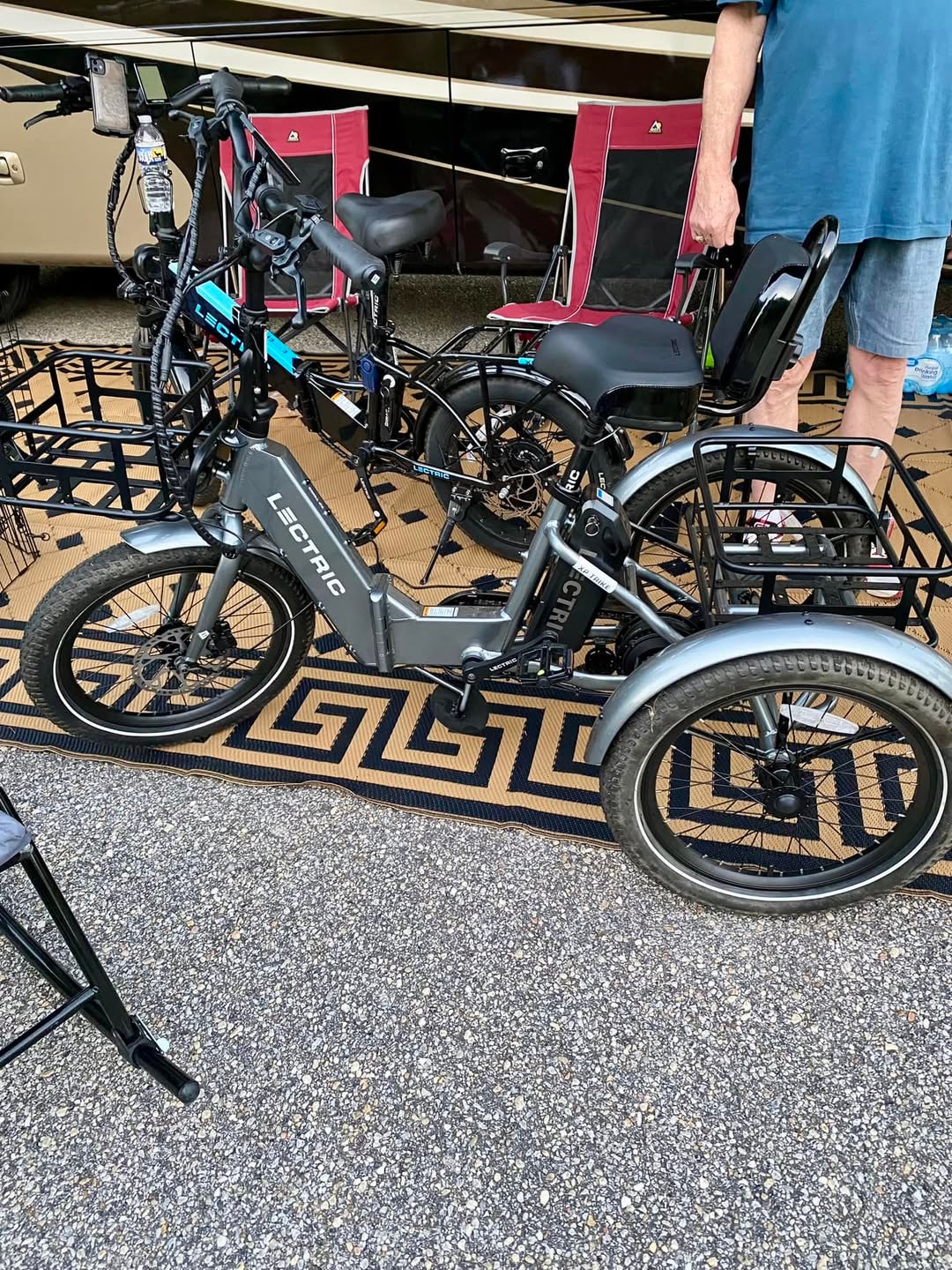
Before I owned my trike, I owned and rode an E-Bike for three years. I learned how to ride an E-Bike, which IS different than a pedal style bike. I learned the feel of the pedal assist, the torque kicking in as I pedaled, and learning how a lower center of gravity affected the ride. ALL of these were beneficial for an older man who just could not use a pedal style bike anymore. I spent six weeks researching e-trikes before I bought one. Six weeks of spec sheets, YouTube reviews, forum threads, and dealer visits. By the end I had learned a lot — but I'd also wasted a lot of time on things that turned out not to matter at all. If I were doing it again, I'd use this framework. It cuts the research time down to about a week and gets you to the right bike faster. In the end, I ended up buying a Lectric, E-Trike 750 XP 2. I chose Lectric over the other two in my price range because of the 12" frame height. This was great for my knee and hip issues. I also liked the 750 watt motor that helps get my 185 pound body moving more consistently without any jumping or jerky starts. I also benefited from riding a Lectric XP E-Bike for those three years prior and came to appreciate the use of heavy duty components that never caused a moment of down time. I have enjoyed my Lectric trike and can recommend them, but that does not mean that your specific needs will not be better served by another brand. By the way, I am in no way compensated by the Lectric E-Bike Company. It's just what I ride.
Step one: set your budget before you look at anything
The e-trike market runs from about $800 to over $5,000. The difference in quality between the bottom and the middle of that range is enormous. The difference between the middle and the top is much smaller. My honest recommendation: budget between $1,500 and $2,500 for your first trike. Below $1,200 you're likely to get a motor that struggles, a battery that degrades quickly, and components that need replacing within a year. Above $2,500 you're paying for features — suspension, premium displays, name-brand components — that are genuinely nice but not necessary for most riders. Set your number before you start browsing. It eliminates half the options immediately and stops you from getting seduced by features you don't need.
The one spec that actually matters: step-through height
I've said this before and I'll keep saying it: the step-through height — how high you have to lift your leg to mount the trike — is the single most important spec for riders with hip, knee, or balance limitations. It varies from about 12 inches on the lowest models to over 24 inches on some upright designs. Measure your comfortable leg lift before you shop. Then filter ruthlessly. A trike you can't get on easily is a trike you won't ride. Everything else — motor power, battery range, display features — is secondary to this.
"A trike you can't get on easily is a trike you won't ride. Step-through height is the single most important spec — everything else is secondary."
Motor: rear hub vs. mid-drive
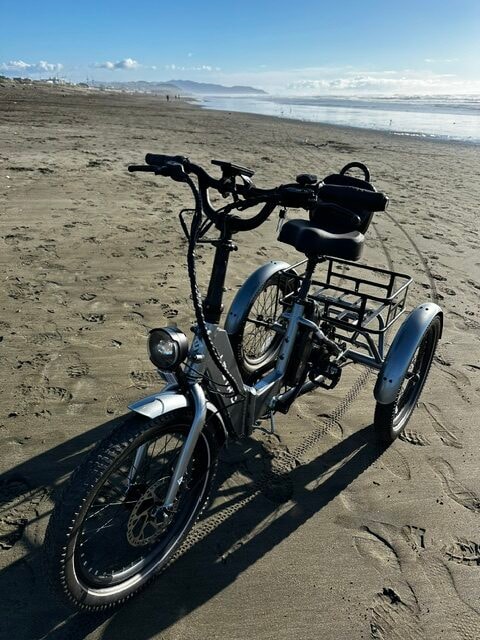
Most e-trikes in the $1,500–$2,500 range use a rear hub motor. It's simpler, cheaper, and perfectly adequate for flat to gently rolling terrain. Mid-drive motors — where the motor sits at the crank — are more efficient on hills and feel more natural to pedal, but they cost more and have more moving parts to maintain. Unless you're regularly riding significant hills, a rear hub motor is fine. Look for at least 500W of rated power and a torque figure above 45Nm. Those two numbers together tell you more about how the trike will actually feel than the top speed ever will.
Battery: capacity and placement
Battery capacity is measured in watt-hours (Wh). A 500Wh battery will give most riders 20–30 real-world miles on mixed assist. A 750Wh battery gets you 30–45 miles. If your typical ride is under 15 miles, a 500Wh battery is plenty. If you want longer range or plan to use high assist most of the time, go to 750Wh. Battery placement matters too. Rear-rack batteries raise the center of gravity and can make the trike feel slightly top-heavy when loaded. Frame-integrated or low-mounted batteries handle better. It's a small difference, but worth noticing on a test ride.
The test ride checklist
When you go to test ride — and you must test ride before you buy — bring this checklist. First: mount and dismount three times. Is it comfortable? Does it feel stable? Second: ride at your slowest comfortable speed. Does the motor engage smoothly or does it lurch? Third: try the brakes at moderate speed. Do they feel confident? Fourth: sit upright and look around. Can you see clearly in all directions without straining your neck? Fifth: check the display. Can you read it in daylight? Can you operate it with gloves on? If any of these feel wrong, that's not a trike for you — no matter how good the spec sheet looks.
The one feature I'd never compromise on
Hydraulic disc brakes. I know they cost more. I know plenty of people ride perfectly safely on mechanical disc brakes or even rim brakes. But a trike is heavier than a bike — often 60 to 80 pounds — and when you add a rider, you're stopping a lot of weight. Hydraulic disc brakes give you consistent, powerful stopping in wet conditions, on hills, and in emergency situations. They require almost no maintenance and they last for years. Every trike I'd consider buying has them. It's the one place I won't trade down to save money.
Quick-reference buying checklist
- Budget set between $1,500–$2,500 before browsing
- Step-through height measured and matched to your comfortable leg lift
- Motor: 500W+ rated power, 45Nm+ torque
- Battery: 500Wh minimum; 750Wh if you want longer range
- Test ride completed — mount/dismount, braking, display readability
- Hydraulic disc brakes confirmed
The perfect e-trike is the one you'll actually ride. Don't let the research become the obstacle. Pick a budget, find three models in that range with a low step-through, test ride them all, and buy the one that made you smile.
Keep reading
More trail stories, gear guides, and honest talk about staying active at this age.