Getting on the Trike at 65: What I Wish Someone Had Told Me
From choosing the right model to your first solo ride — an honest, practical guide for anyone starting out later in life.
When I decided to get an e-trike, I did what most people do: I went down a rabbit hole online. Three weeks later I had seventeen browser tabs open, a notebook full of conflicting specs, and absolutely no idea what to actually buy. Nobody had written the guide I needed — the one that skips the jargon and just tells you what matters when you're 65, not 35. So here it is. Everything I learned the hard way, in the order you'll actually need it.
First: forget about speed
The number one mistake I see new riders make is optimizing for top speed. Unless you're planning to race, it doesn't matter. What matters is torque — the pulling power that gets you moving from a stop and helps you up gentle inclines without straining. Look for a motor with at least 500W and a torque rating above 50Nm. That's what makes the ride feel effortless rather than labored. A trike that tops out at 15mph with good torque will feel far more satisfying than one that hits 20mph but struggles on anything but flat pavement.
The frame matters more than the motor
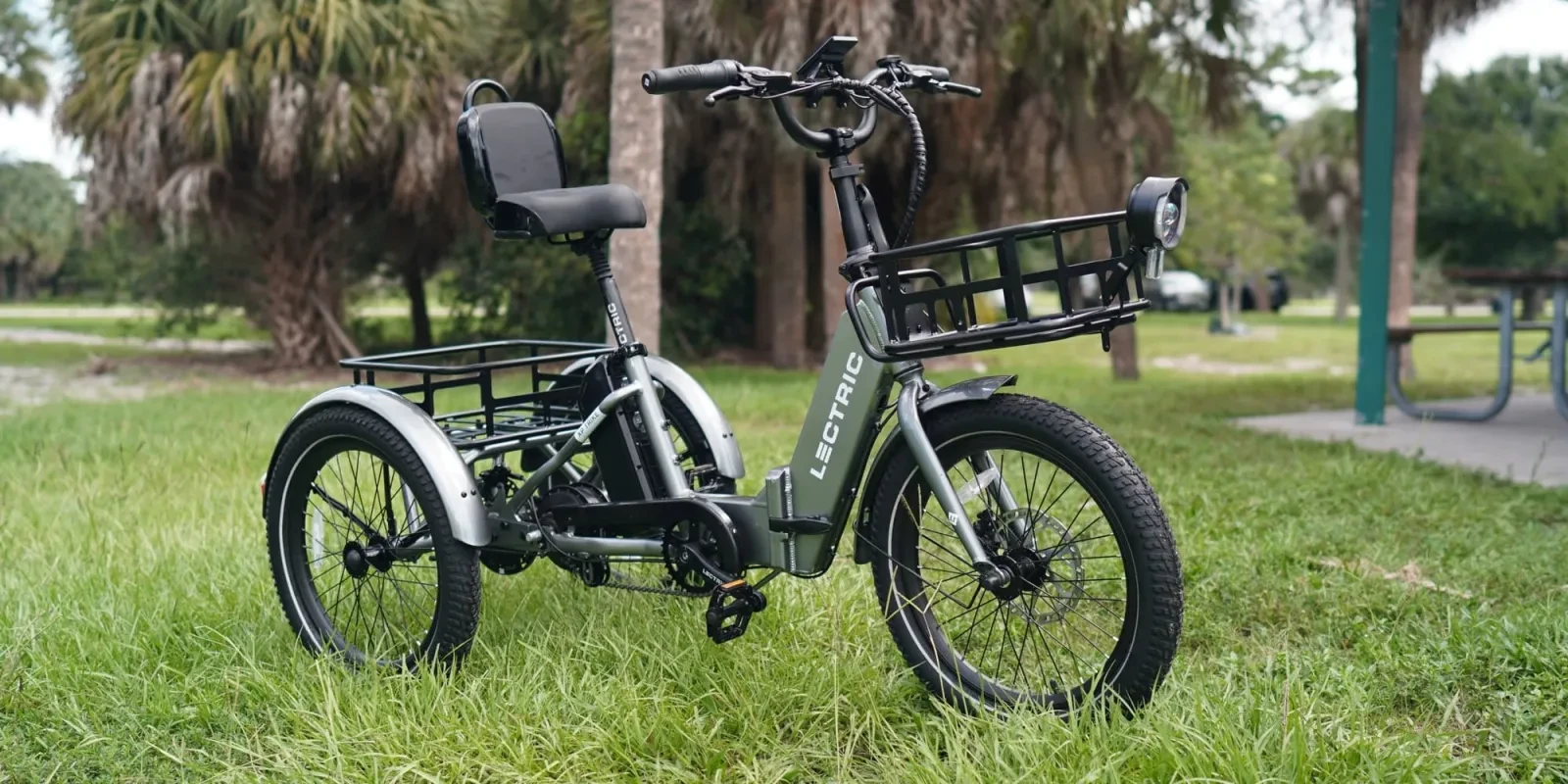
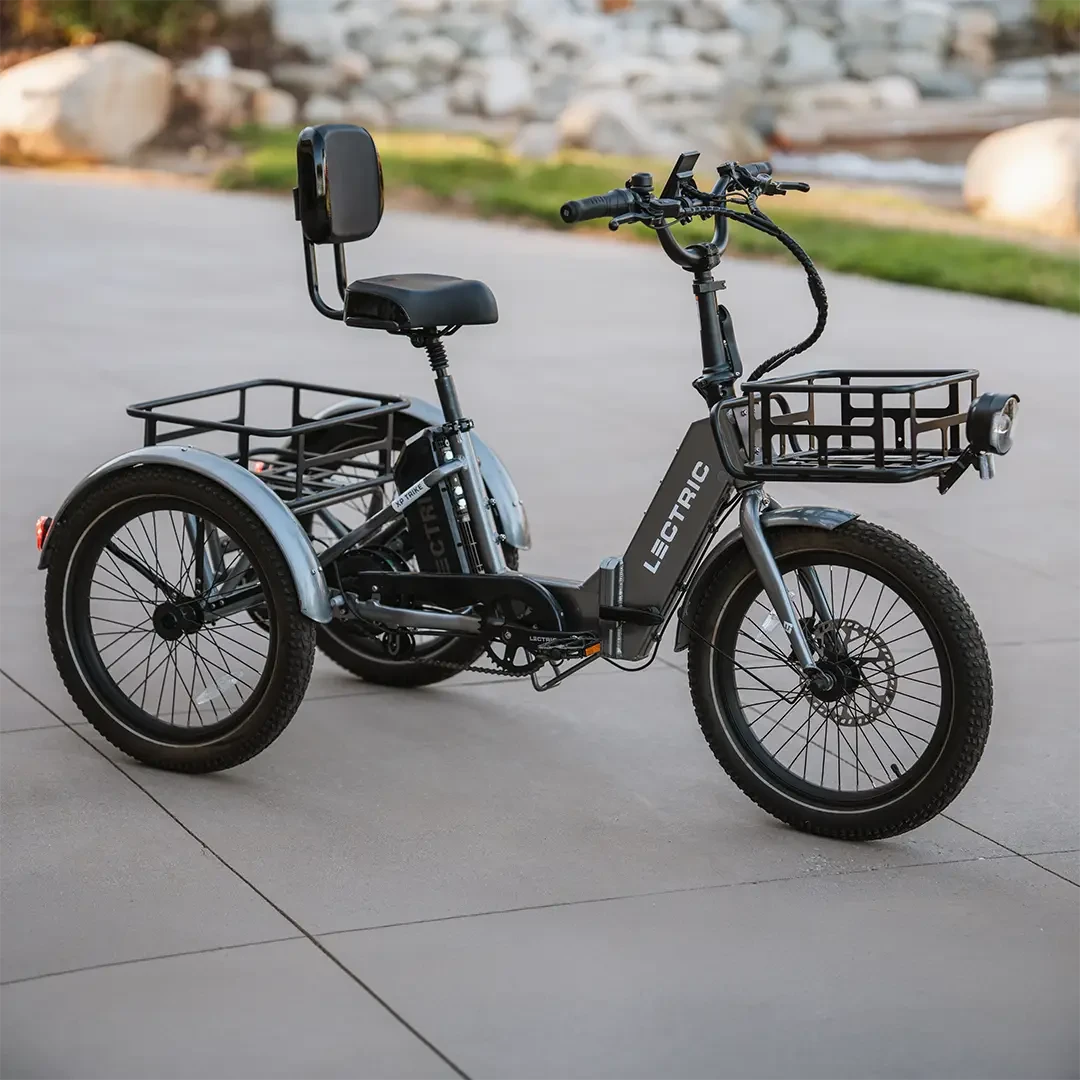
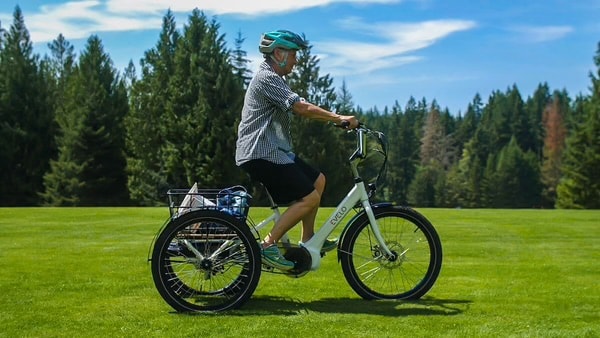
I cannot stress this enough: get on the bike before you buy it. The step-through frame height — how high you have to lift your leg to mount — varies enormously between models, and what looks fine in a photo can be genuinely difficult if you have hip or knee limitations. Most reputable dealers will let you do a test ride. If they won't, find a different dealer. You're also looking for handlebar height and reach. You want to sit upright, not hunched forward. A relaxed, upright riding position puts almost no strain on your lower back and lets you look around comfortably — which matters a lot when you're navigating trails or streets.
"Get on the bike before you buy it. What looks fine in a photo can be genuinely difficult if you have hip or knee limitations."
Battery range: double whatever you think you need
The manufacturer's stated range is almost always measured under ideal conditions — flat ground, light rider, minimal assist. In the real world, with hills, headwinds, and using the assist the way you actually want to use it, you'll get roughly 60–70% of the advertised range. If the spec sheet says 40 miles, plan for 25. My rule of thumb: figure out your typical ride length, double it, and make sure the battery covers that. Running out of battery mid-ride on a trike is not dangerous, but pedaling a heavy e-trike home under your own power is not a fun afternoon.
Your first week: shorter than you think
Even if you're reasonably fit, your first few rides should be short — 20 to 30 minutes maximum. Not because you'll be tired (the motor handles most of the work), but because you're learning a new set of physical habits. Trikes handle differently from bikes. They don't lean into turns; you steer them like a car. Your body needs time to build the muscle memory for smooth cornering, and your hands and wrists need time to adapt to the grip. I pushed too hard in my first week and ended up with sore forearms for three days. Start short, build gradually, and you'll be doing hour-long rides within a month.
The gear you actually need (and the stuff you don't)
You need: a helmet (non-negotiable, full stop), a water bottle holder, and a rear mirror. That's it to start. You don't need the $80 cycling gloves, the padded shorts, the handlebar bag, the GPS computer, or the high-visibility vest — not yet. Get comfortable on the trike first. Figure out what actually bothers you on rides. Then solve those specific problems with gear. People can spend $400 on accessories before their first ride and then discover the one thing they actually needed was a better seat cushion.
Tell someone where you're going
This isn't about being cautious or treating yourself like you're fragile. It's just good sense for any solo outdoor activity. Before every ride, send a quick text to someone: where you're going, what trail, roughly how long you'll be. It takes ten seconds and it means someone knows to check in if you're not back. You may never need it. But you'll also never regretted doing it.
The honest truth is that the hardest part of getting started isn't the learning curve — it's giving yourself permission to start. There's a voice that says you're too old, too stiff, too out of shape. Ignore it. The trike doesn't care how old you are. It just wants to roll!
Keep reading
More trail stories, gear guides, and honest talk about staying active at this age.