
Riding Through the Seasons: How I Keep Rolling Year-Round in Florida
Florida isn't just summer. Between the heat, the rain, and the rare cold snap, I've had to adapt my riding habits for every season. Here's what works.
People hear 'Florida' and picture one long summer. And sure, June through September is hot enough to rearrange your schedule around the weather. But Florida has seasons — they're just not the ones people in Ohio are used to. The leaves change colors from their normal brilliant green to a slightly less brilliant green before the y fall off. We get a real winter, a rainy season that can drop two inches in an afternoon, and a spring that's genuinely perfect for riding if you catch it right. After three years of year-round riding here, I've figured out how to stay on the trike in every season without being miserable or doing something dumb. Here's what I've learned.
Summer (June–September): ride early, ride smart
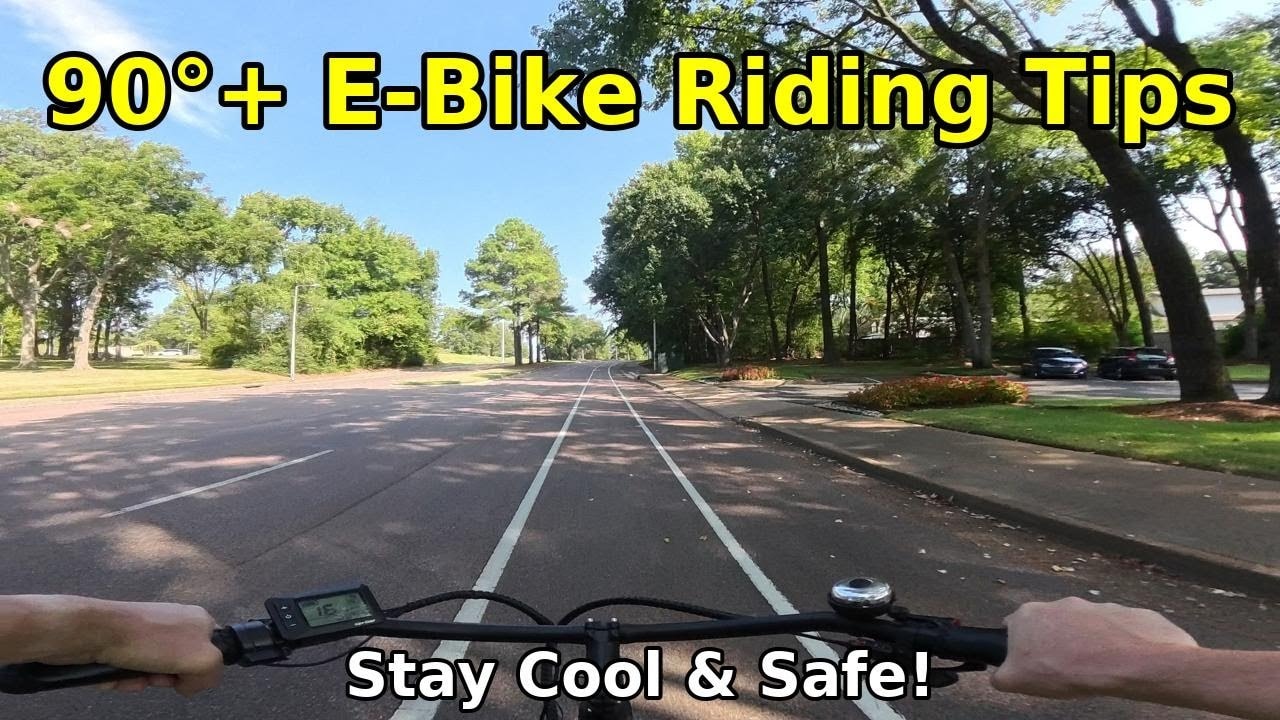
Summer in Florida is not a riding season you push through — it's one you work around. Get on the trail by 7am or don't go. The heat index by 10am can hit 105°F, and older adults don't thermoregulate the way younger people do. I've got another article on Riding in the Summer Heat, so I'm not going through it all again here, the short version: ride before 9am, carry more water than you think you need, wear light colors, and know the warning signs of heat exhaustion. The trails are beautiful in the early morning light. That's not a consolation prize — it's genuinely the best time to be out there.
Rainy season: it's not as bad as it sounds
Florida's rainy season runs roughly June through September, which overlaps with summer. The rain here is almost always afternoon thunderstorms — they build up, dump hard for 30 to 45 minutes, and then it's over. If you're riding in the morning, you'll rarely get caught in one. But if you do ride into the afternoon, watch the sky. Florida lightning is not something to be casual about — we lead the country in lightning strikes. When you hear thunder, get off the trail and under a solid structure. Not a tree. A building. I keep a small packable rain jacket in my rear basket for the occasional surprise shower, but mostly I just plan around the pattern.
"October and November are the best-kept secret in Florida riding. The humidity drops, the trails clear out, and you get your afternoons back."

Fall (October–November): the hidden gem
October and November are the best-kept secret in Florida riding. The humidity drops, the temperatures settle into the 70s and low 80s, and the afternoon storms mostly stop. The trails aren't crowded yet — the snowbirds haven't fully arrived, and the summer tourists are gone. The RV sites are more open at state and local parks and riding in the parks is always near perfect. If you've been limiting yourself to morning rides all summer, fall is when you get your afternoons back. Try to take at least one longer ride each week in October just to remind yourself why you started doing this.
Winter (December–February): yes, you still ride
Florida winters are mild by any national standard, but they're real. We get cold fronts that drop temperatures into the 40s overnight, and a 50°F morning feels a lot colder on a trike moving at 12 mph. I layer up — a base layer, a light fleece, and a wind-resistant shell. Gloves matter more than most people expect; cold hands make braking and shifting harder, and for those of us with arthritis, cold stiffens the joints noticeably. The upside: winter mornings in Florida are stunning. Clear skies, low humidity, no bugs. I've had rides in January that felt like the best days of the year.
Spring (March–May): peak season
March through May is when Florida riding is at its absolute best. Temperatures are comfortable all day, the humidity is manageable, and the afternoon storms haven't started yet. You can ride at 10am without planning around the heat. You can do a longer route without worrying about getting caught in a downpour. The wildflowers are out, the birds are active, and the trails feel alive in a way they don't in the dead of summer. If you're thinking about visiting Florida to ride, come in April. If you live here and you've been putting off a longer route, spring is when you do it.
The one thing that doesn't change
No matter the season, I check the weather before I leave. Not just the temperature — the heat index in summer, the wind chill in winter, the radar in rainy season. Five minutes of checking saves a lot of misery. I also tell someone where I'm going and when I expect to be back. That's not paranoia; it's just good sense for a solo rider at any age. The trike has made me more confident about getting out in conditions I'd have skipped on a two-wheeler, but confidence isn't the same as carelessness. Know the conditions, plan accordingly, and then go enjoy the ride.
What I carry, by season
- SummerExtra water, electrolytes, light colors, early start
- Rainy seasonPackable rain jacket, eye on the radar, off trail at first thunder
- FallStandard kit — this is the easy season
- WinterBase layer, fleece, wind shell, gloves, warm socks
- SpringStandard kit, sunscreen — enjoy the whole day
Three years in, I've ridden in every kind of Florida weather short of a hurricane warning. The trike handles it all. The key is knowing what each season asks of you and showing up prepared. There's no bad season for riding — just seasons that require different gear and different timing.
Keep reading
More trail stories, gear guides, and honest talk about staying active at this age.